
Stories Told by Strangers in Transit Hubs.
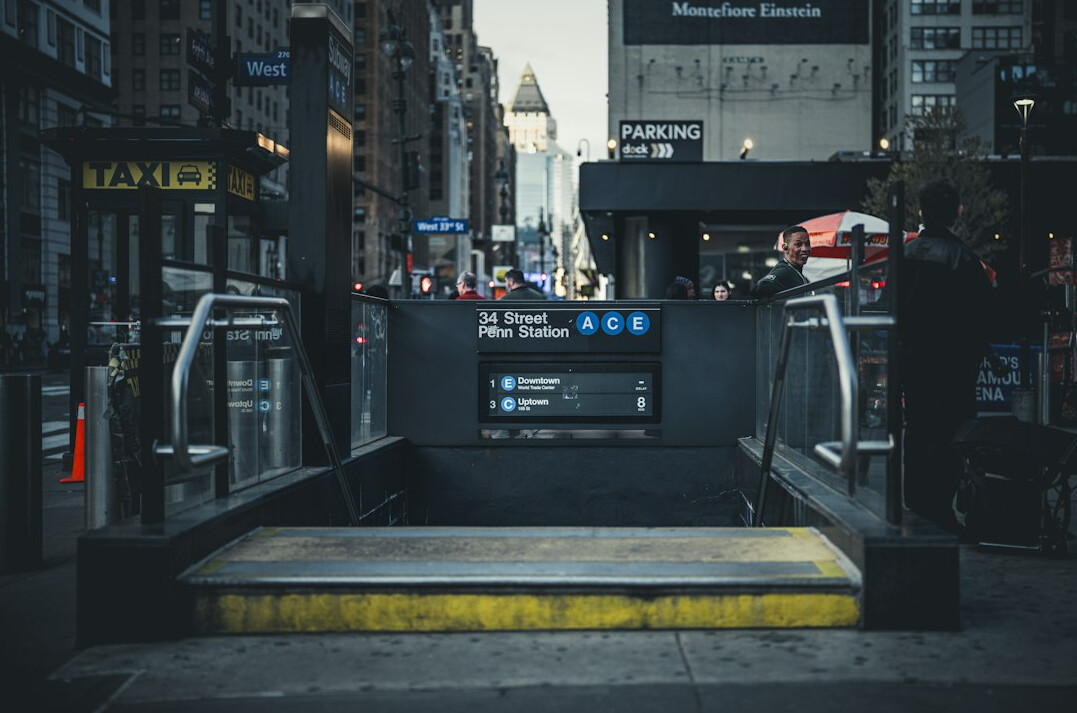
Transit hubs have a rhythm all their own, a steady pulse of arrivals and departures that shapes the day for thousands of strangers. You notice it most when you slow down and simply watch. A woman checks her watch for the third time while balancing a coffee cup and a tote bag stuffed with files. Across from her, two teenagers share earbuds, their heads nodding in sync as the announcement for the next train echoes overhead. These small scenes unfold constantly, each one hinting at a larger story that never gets told out loud.
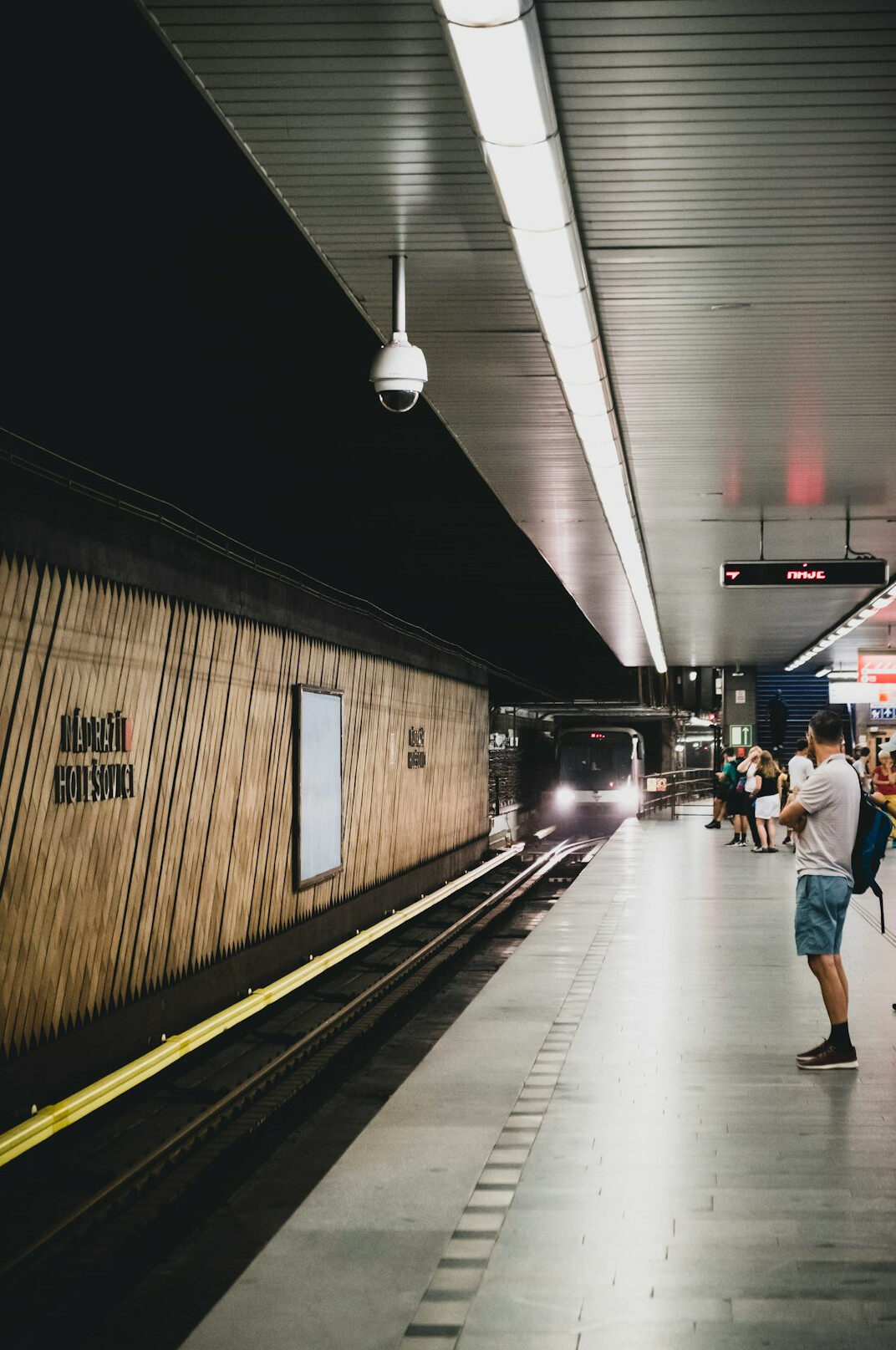
The Weight of a Delayed Connection
Delays turn ordinary waits into something heavier. A man in a rumpled suit paces near the departure board, his phone pressed to his ear as he tries to reschedule a meeting that might already be lost. Nearby, an older couple sits on a bench, sharing a sandwich they bought from the kiosk. They seem unbothered, chatting quietly about grandchildren and the weather back home. The contrast feels sharp: one person racing against time, the others content to let it stretch. In these moments, the hub becomes less about movement and more about endurance.
Shared Silences and Fleeting Exchanges
Not every interaction needs words. A quick smile when someone offers a seat, or the nod of thanks when a stranger holds the elevator door, carries its own weight. Once I watched a young father juggle a stroller and a diaper bag while trying to fold a map one-handed. A student stepped forward without hesitation, pointing out the right platform and even walking with him part of the way. No names were exchanged, yet the relief on the father's face stayed with me long after they disappeared down the escalator.
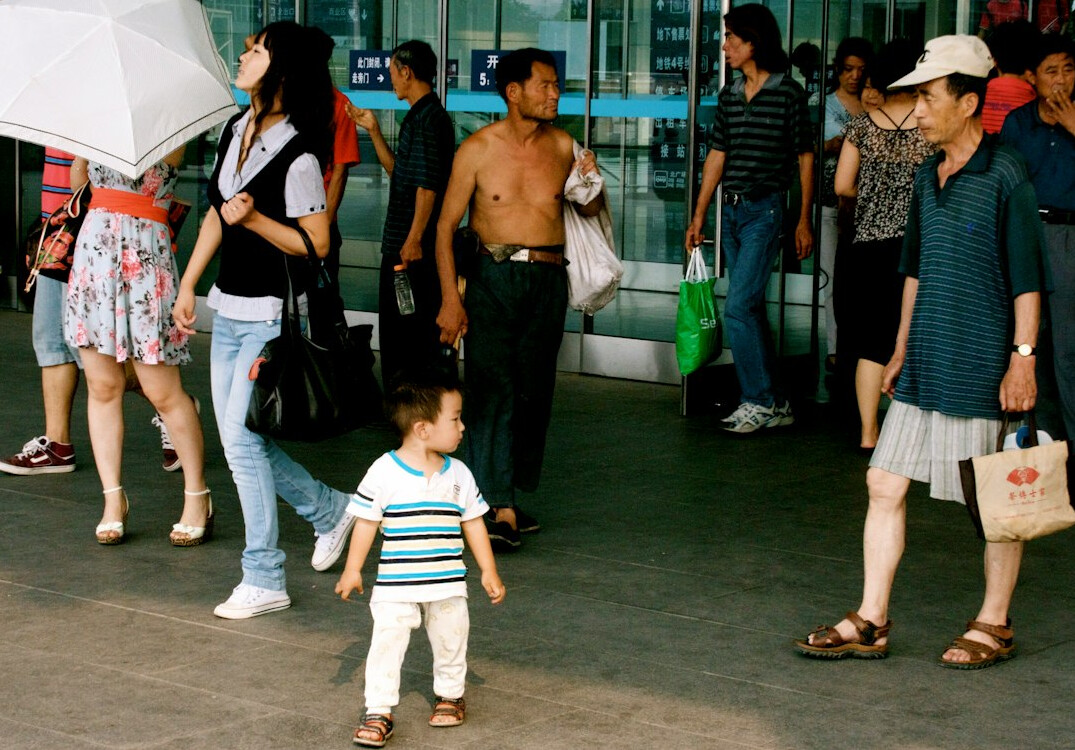
These brief alliances remind you how transit spaces force proximity. People who would otherwise pass on the street now share the same air for minutes or hours. Some retreat into books or screens, creating small bubbles of privacy. Others stay alert, eyes scanning for the next sign of progress. The result is a layered atmosphere where solitude and connection overlap constantly.
Evening Light and Lingering Crowds
As daylight fades, the energy shifts again. Workers heading home mix with travelers arriving for late flights or overnight buses. A group of friends laughs loudly near the food court, their voices cutting through the low hum of rolling luggage. One woman stands apart, leaning against a pillar with her eyes closed, perhaps replaying the day or simply resting before the final leg. The lights overhead cast long shadows, turning ordinary faces into brief silhouettes against the tiled floors.
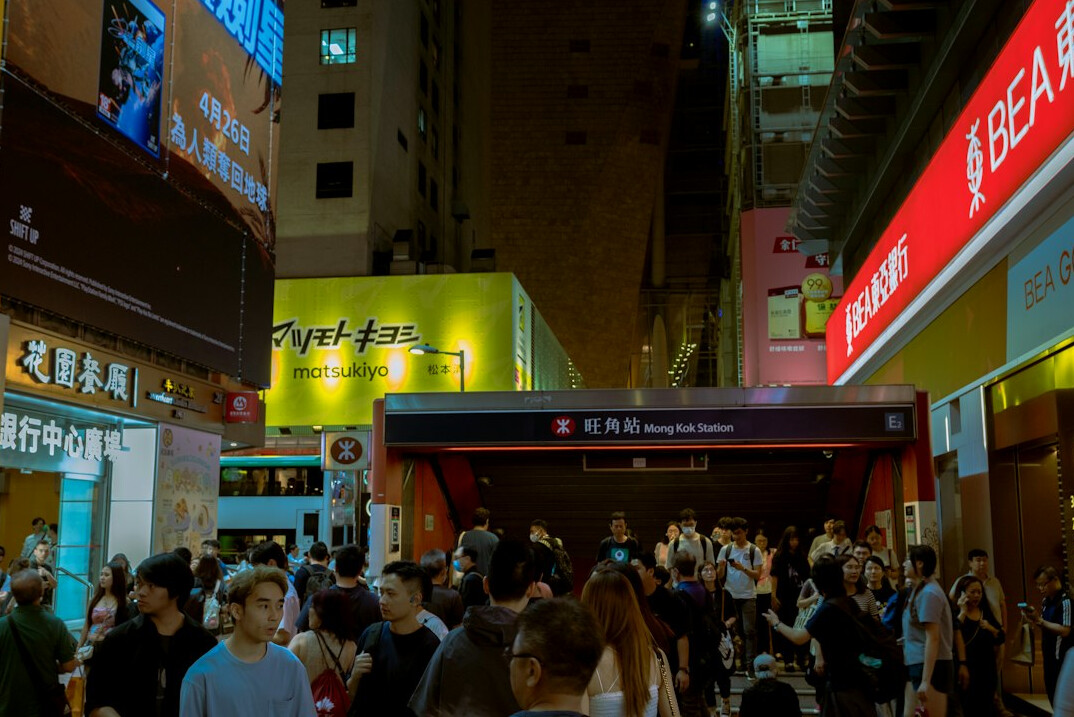
Over time these observations add up. You start to recognize patterns without meaning to: the way certain benches always fill first, how some people claim space with their bags while others tuck themselves into corners. It becomes clear that every person carries their own timeline, their own reasons for being here. The hub simply holds them all together for a while before releasing them back into the city.
Every stranger in a transit hub carries a story that begins or ends with this pause between places.
Stepping back outside after an hour or two of watching feels like returning from a short journey of its own. The streets may be familiar, yet something lingers from those unseen narratives. Next time you find yourself with extra minutes between trains or buses, try looking around instead of reaching for your phone. The stories are already there, told in glances, gestures, and the quiet patience of people simply waiting to move again.