
The Unexpected Poetry of Waiting in Busy Streets
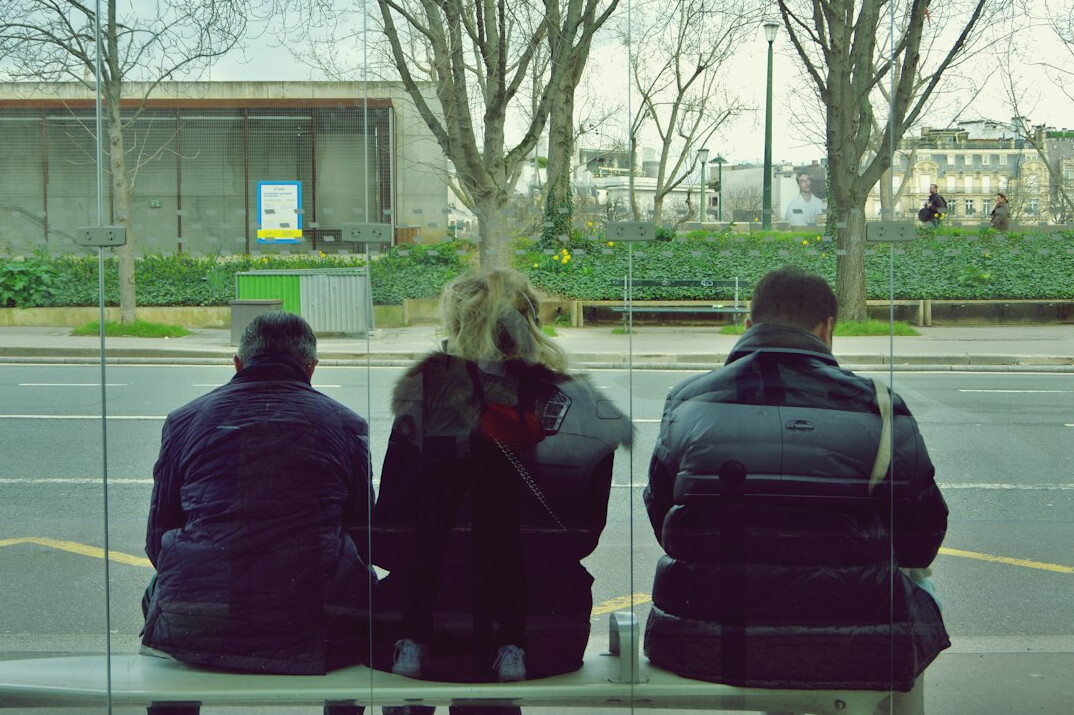
There's something oddly captivating about standing still amid the rush of a city morning. You notice the small details that usually blur by: the way a woman's scarf catches the wind at a crosswalk, or how a delivery driver taps his foot while checking his phone at the curb. Waiting in these spaces turns into its own kind of rhythm, one that reveals the poetry hidden in everyday pauses.
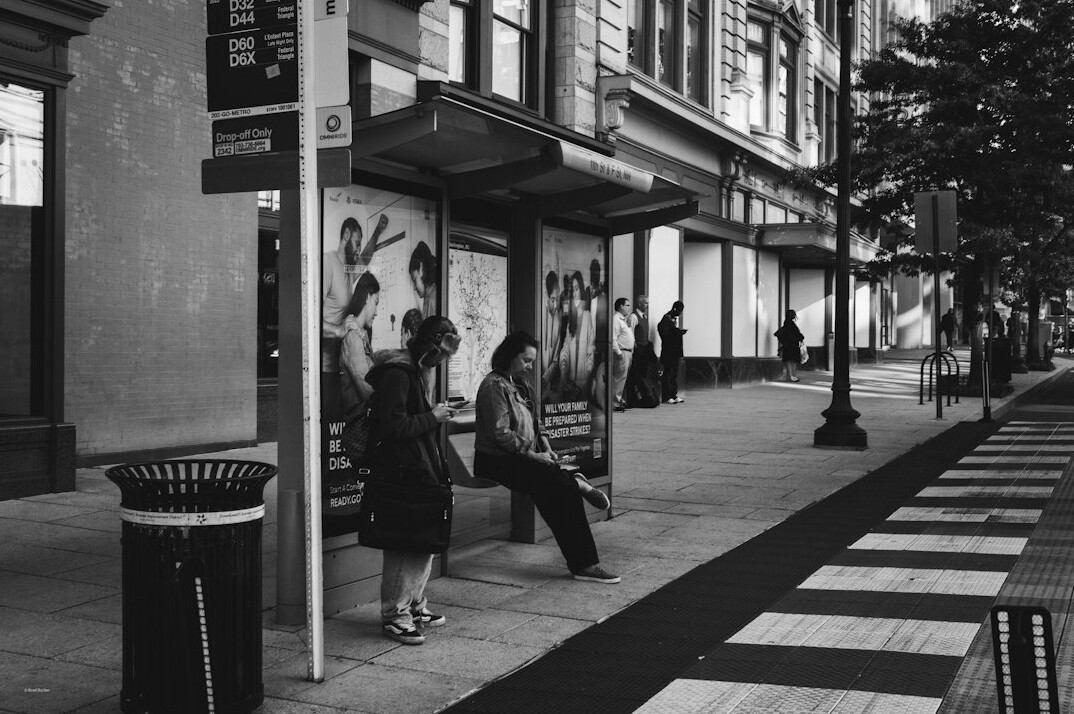
Take the corner near the old market square, for instance. At eight thirty on a Tuesday, a mix of office workers, students, and vendors gather without any plan. Some lean against lampposts, others check watches or scroll through messages. A young man in a suit offers his umbrella to an older woman when the first drops fall. These tiny exchanges happen without fanfare, yet they stitch the day together.
The Layers Beneath the Surface
Urban waiting isn't just about time passing. It carries layers of anticipation, frustration, and even quiet joy. At a subway entrance, a group of friends laughs over a shared joke while checking the arrival board. Nearby, a lone traveler adjusts her backpack and stares into the distance, perhaps replaying a conversation from earlier. The city moves around them, but these moments create pockets of stillness that feel almost intentional.
Consider the lunch rush at a busy intersection. People cluster under awnings, shifting weight from one foot to the other. A cyclist stops to fix a strap, exchanging nods with a pedestrian. Over time, you start to see patterns: the regulars who wave to each other, the newcomers who keep their eyes down. It's a dance without music, guided only by the changing lights and the distant hum of traffic.
Interactions That Surprise
Not every wait stays silent. Sometimes a stranger strikes up a conversation about the weather or the latest news headline on a digital screen. These brief talks can shift the mood of an entire afternoon. One afternoon I watched a man help a tourist read a map while both waited for the same bus. By the time the vehicle arrived, they were sharing recommendations for nearby cafes.
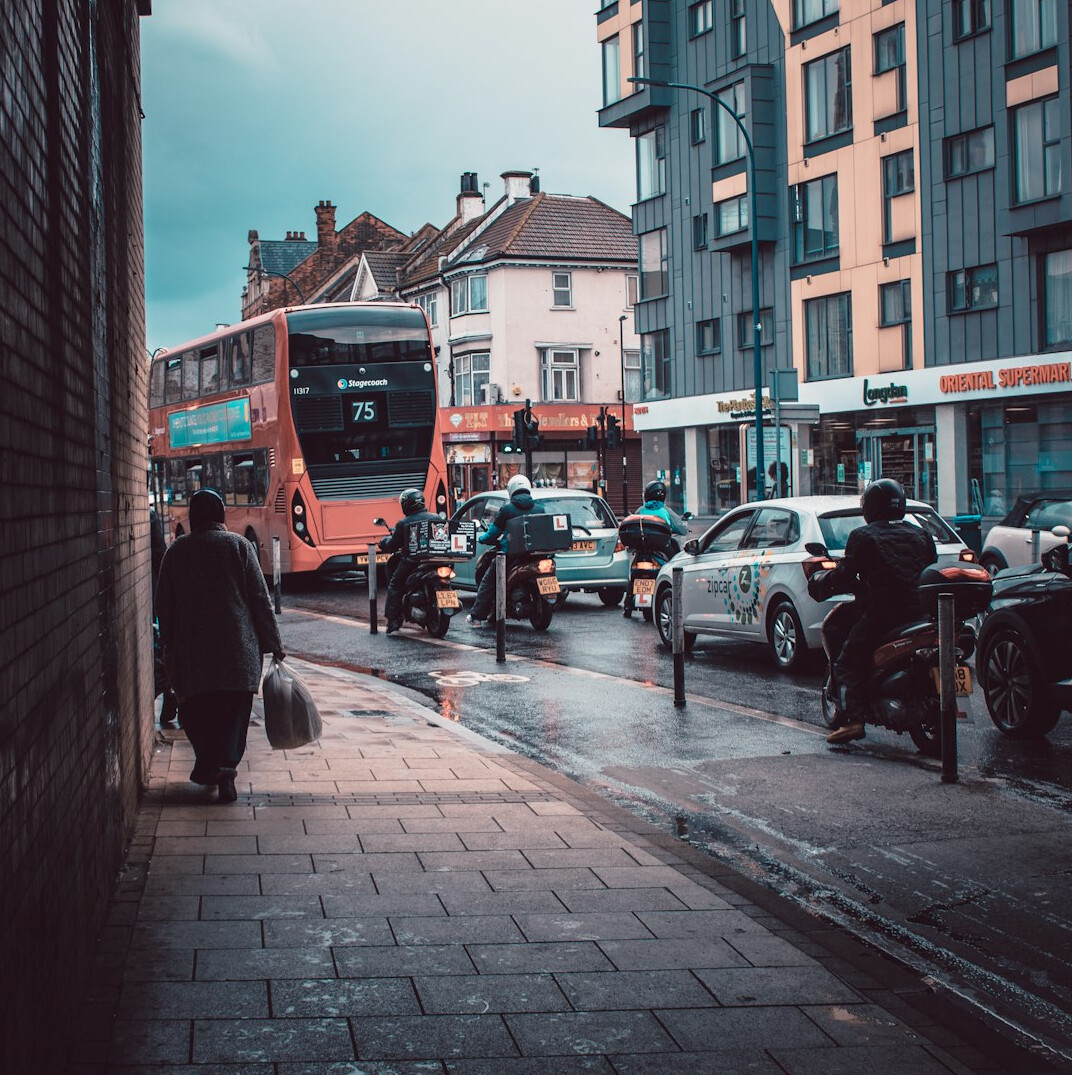
Children add another dimension. They tug at parents' hands or point out pigeons strutting along the pavement. Their energy contrasts with the adults' patience, turning a simple delay into a small adventure. In these scenes, waiting becomes less about the clock and more about the space between arrivals.
Finding Rhythm in the Pause
Over months of observing these spots, the poetry emerges in repetition and variation. The same bench sees different faces each day, yet the posture of someone deep in thought remains familiar. Rain changes everything, sending people huddling closer under shared shelters. Sunlight does the opposite, spreading folks out along sunny patches of curb.
Technology threads through it all too. Headphones create private worlds even in public, while quick texts keep connections alive. Still, the best moments often come when screens lower and eyes meet. A smile across a platform or a shared glance at a delayed sign can make the wait feel lighter.
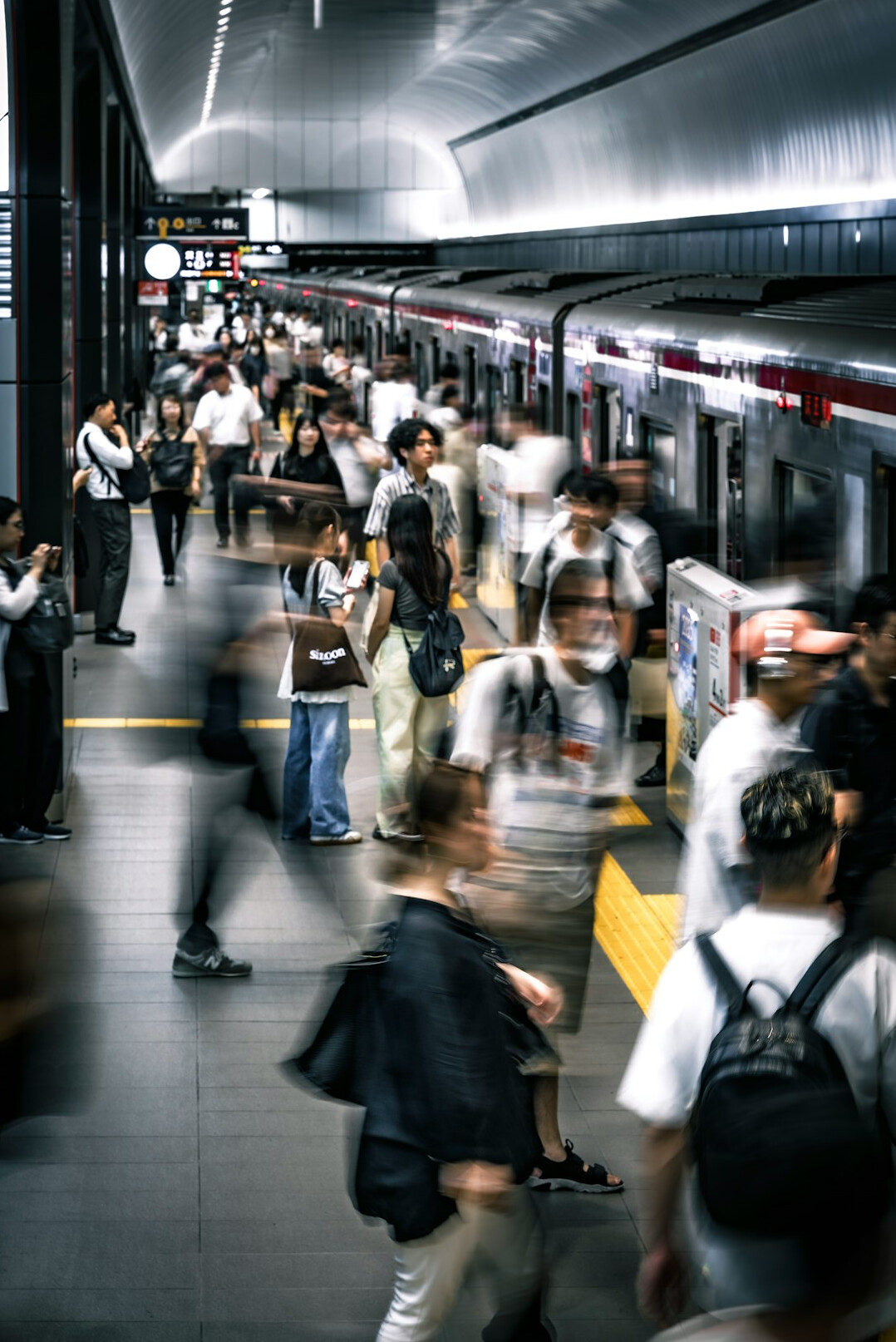
These everyday scenes remind us that cities aren't only about speed. They hold room for reflection amid the motion. Next time you find yourself paused at a corner or platform, look around. The unexpected poetry might be right there in the faces and gestures of those sharing the moment with you.
The city teaches patience in ways no clock ever could.
In the end, waiting in busy streets becomes a shared language. It connects strangers through unspoken understanding and turns ordinary delays into stories worth noticing. Whether it's the first light of dawn or the glow of evening lamps, these pauses shape how we experience the urban world around us.