Unveiling the Drama of Everyday City Waits.
City life moves at a relentless pace, yet it is the pauses that often reveal the most about us. Whether standing at a bus stop as rain begins to fall or lingering at a traffic light while the world rushes by, these ordinary waits carry a quiet drama all their own. People shift their weight, check phones, exchange brief glances, and sometimes strike up unexpected conversations that linger long after the light turns green.
The Bus Stop Ballet
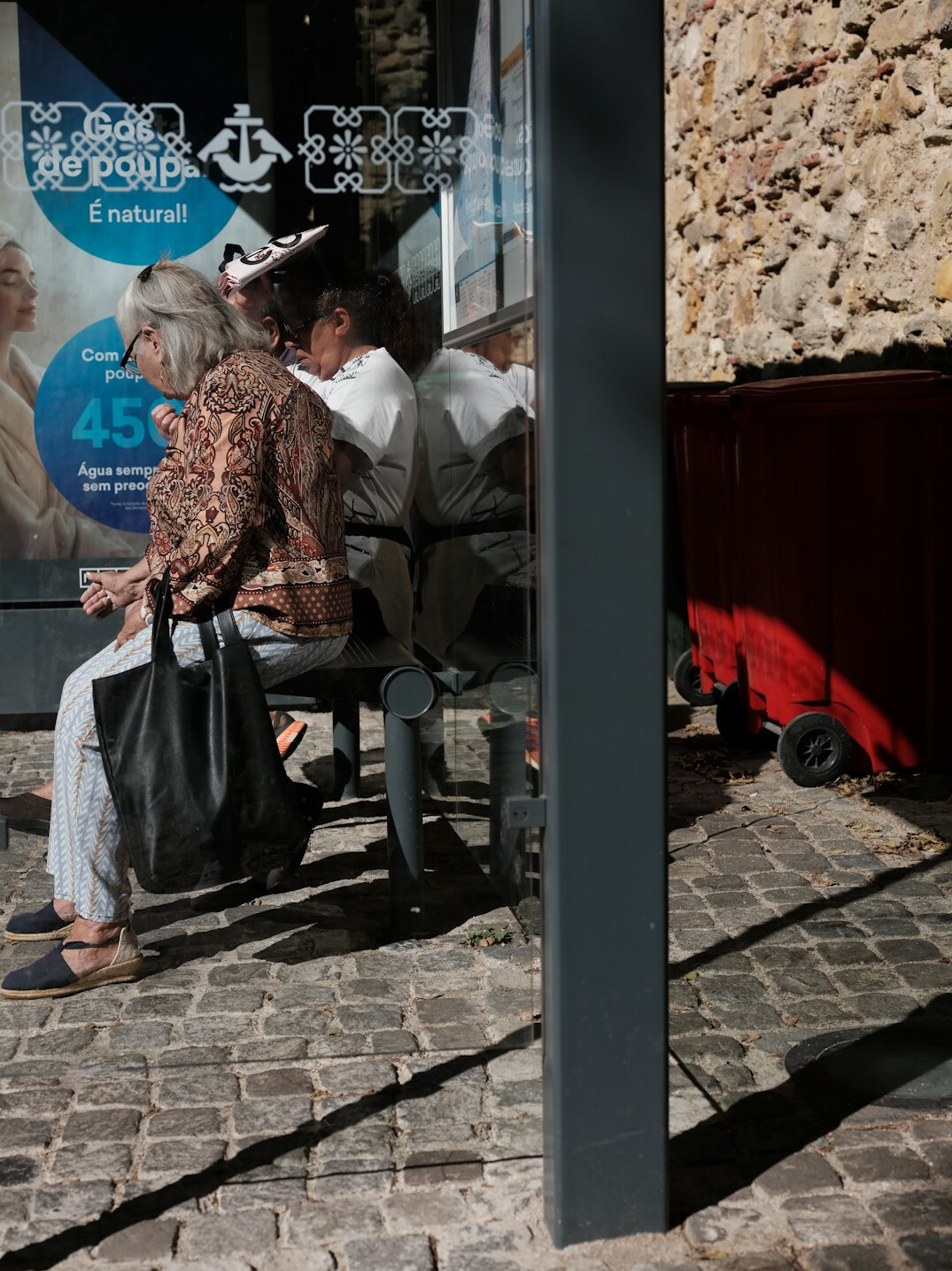
Consider the classic urban bus stop. A line forms without anyone saying a word, but every person brings their own rhythm. Some tap feet impatiently, others stare into the distance as if willing the vehicle to appear. One morning last spring I watched an elderly man offer his umbrella to a drenched student whose bag had split open. Their short exchange turned into shared laughter when the bus finally arrived late, its doors hissing open like a sigh of relief. These small acts transform waiting from a chore into something almost communal.
Traffic Lights and Fleeting Connections
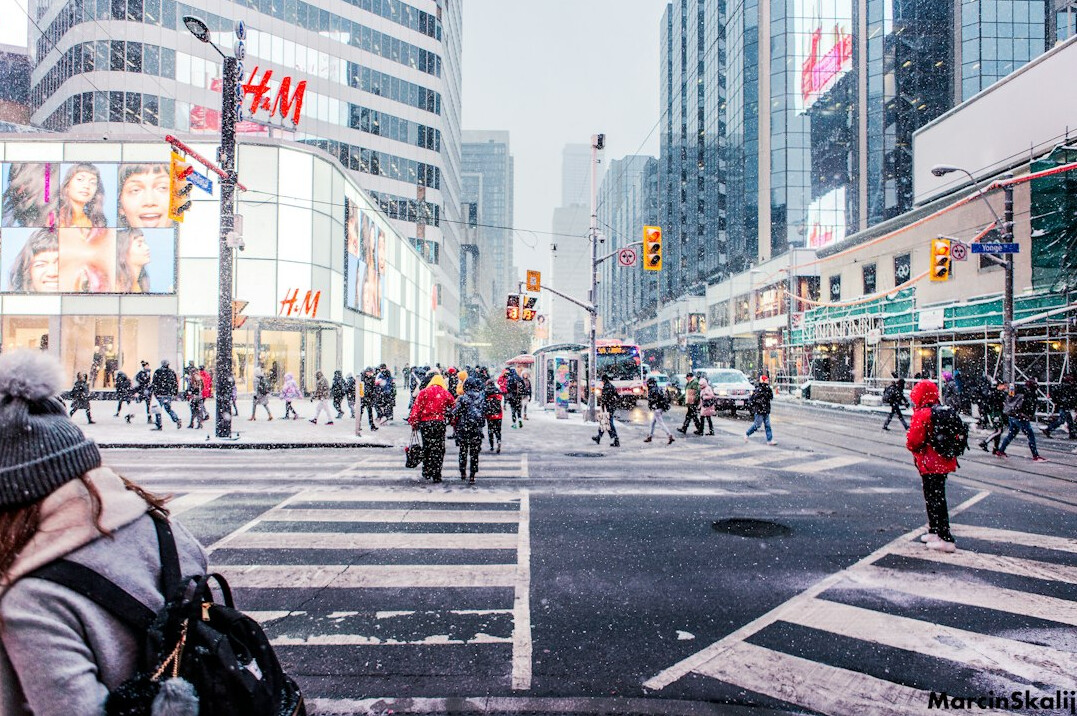
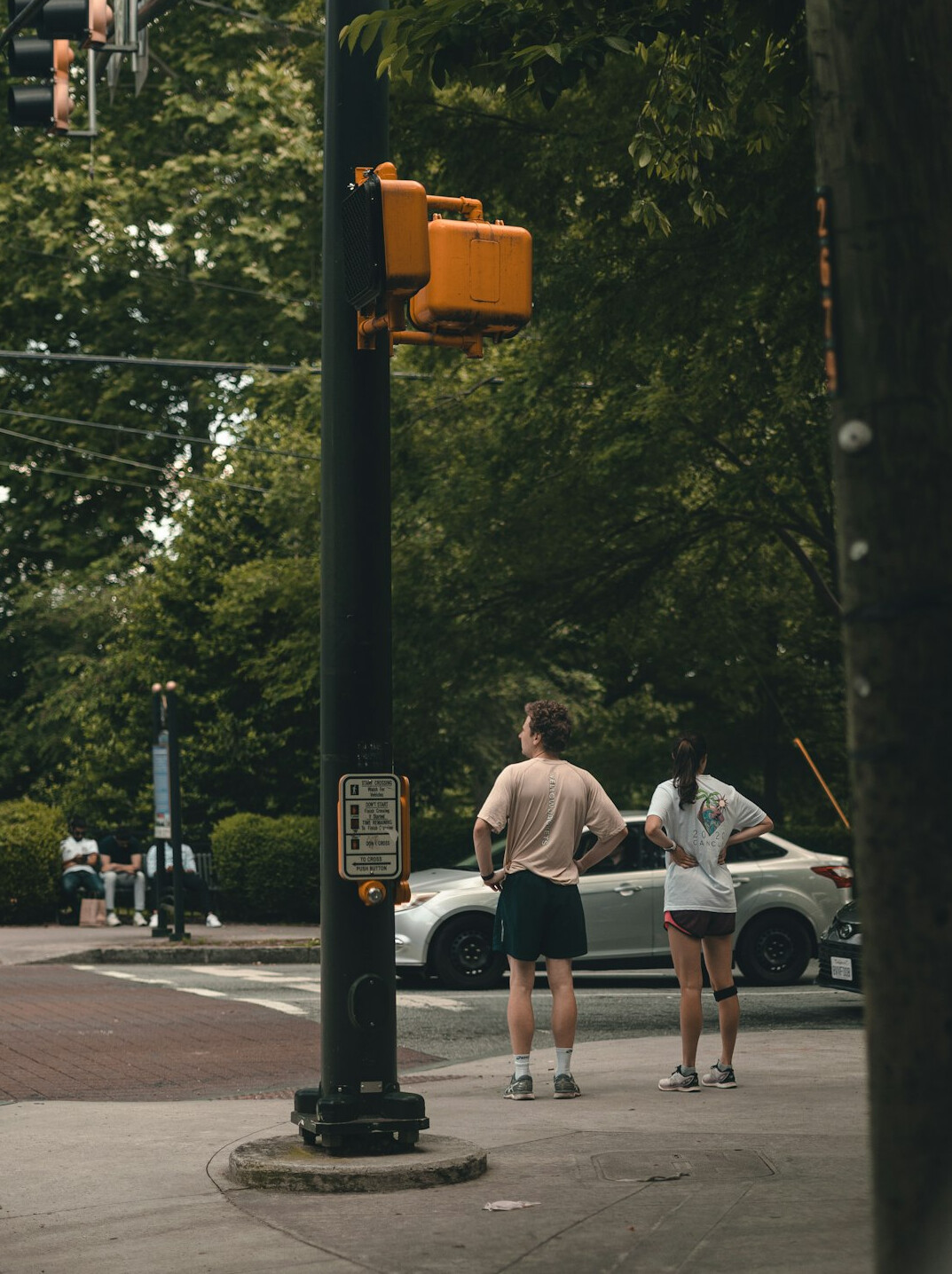
Crosswalks add another layer. At busy intersections, crowds gather in tight packs, each person lost in thought until the signal changes. A woman might adjust her scarf while a courier on a bike weaves through the edge, creating a momentary dance of avoidance. I once saw two strangers bond over a dropped coffee cup that spilled across the curb, their apologies leading to an offer of a replacement from a nearby cart. Such interactions feel accidental yet they stitch the city together in ways we rarely notice.
Bold moves happen too. Someone might pull out a book and read aloud a funny passage to no one in particular, drawing chuckles from the group. Or a musician could start humming a tune that spreads through the waiting crowd like a gentle wave. These moments remind us that patience in public spaces often invites connection rather than isolation.
Coffee Lines and Quiet Observations
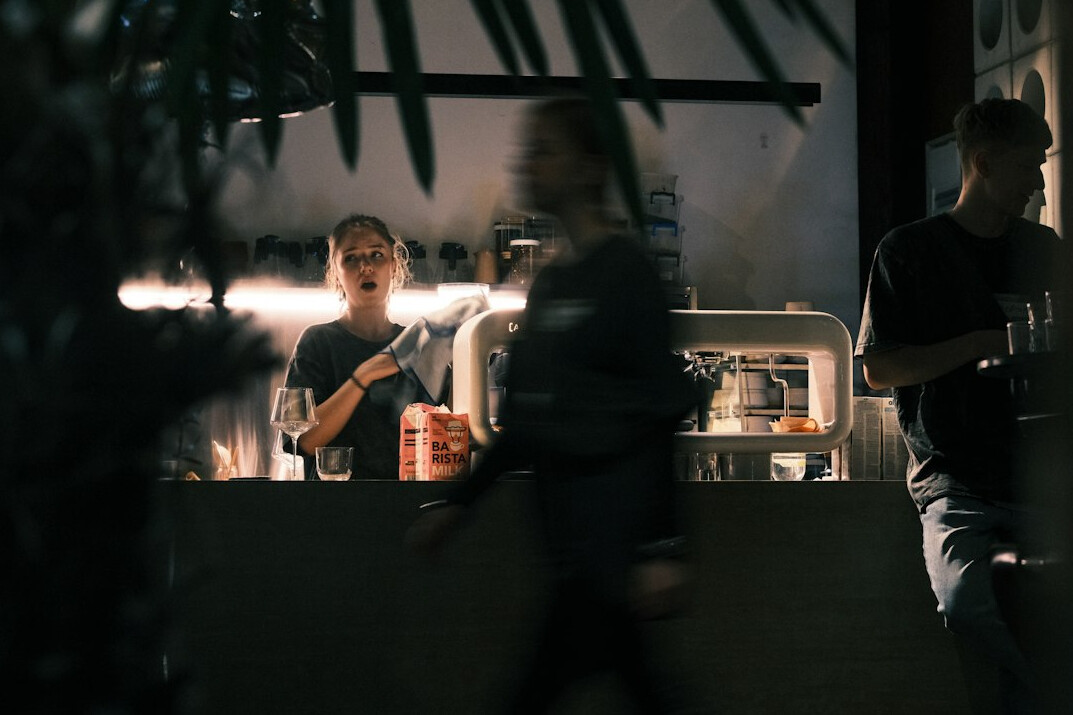
Inside cafes the wait stretches differently. The line snakes past counters where baristas work with practiced speed. Here conversations bloom between regulars and newcomers alike. A person might comment on the weather or ask about a pastry recommendation, turning the queue into an impromptu social hub. One afternoon I overheard a pair debating the merits of different neighborhoods, their talk continuing even after they received their orders and stepped aside together.
Subway Platforms and Shared Silences
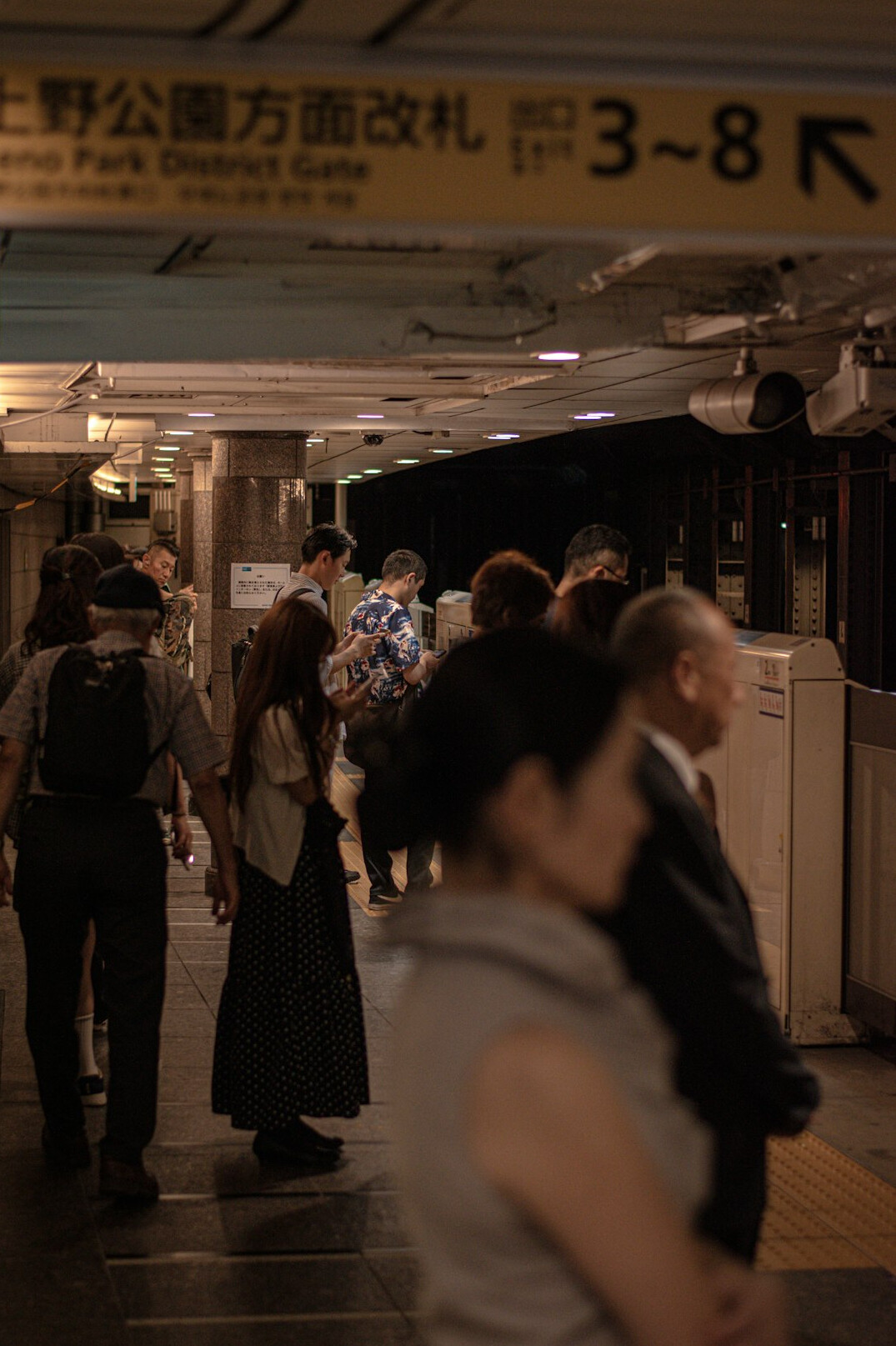
Underground platforms bring their own intensity. Trains arrive with a roar and depart just as quickly, leaving behind clusters of people who missed the last one. Eyes meet briefly over phone screens before darting away. Yet sometimes a delay stretches long enough for stories to emerge. A delayed worker might share tips on avoiding rush hour with a tourist clutching a map. These exchanges feel natural because the shared frustration lowers barriers that usually stay high.
Lists of small rituals help pass the time too. Checking the arrival board repeatedly. Adjusting earbuds. Counting tiles on the floor. Each action fills the space until movement resumes. When the train finally pulls in, the collective sigh of relief feels like a shared victory.
Finding Beauty in the Pause
Ultimately these waits shape how we experience the city. They force us to slow down and notice details like sunlight catching on wet pavement or the way strangers mirror each other’s postures without realizing it. The drama lies not in grand events but in these layered, human seconds that accumulate into memories of place. Next time you find yourself paused amid the rush, look around. You might discover the city is waiting right alongside you, full of quiet stories ready to unfold.